You receive a request for records, a client challenges a fee, or opposing counsel asks what you told investors about a conflict. The first instinct may be to search through contracts, emails, and marketing materials. In many disputes, however, the starting point is already public: your Form ADV Part 2.
The brochure is often treated as an annual filing task. That approach is risky. Part 2 describes how your advisory business operates, what clients pay, how you're compensated, where conflicts may arise, and what disciplinary information must be disclosed. During an examination, disciplinary hearing, or FINRA arbitration, those statements can become evidence of what the firm promised and what the client reasonably understood.
Why Form ADV Part 2 Matters Beyond Compliance
Form ADV Part 2 is a regulatory representation of how an advisory firm conducts business. Its value becomes clearest when a regulator, disciplinary panel, or FINRA arbitrator compares the brochure with the firm's other records. The question is rarely limited to whether a filing was submitted. Reviewers want to know whether the firm's written description matched the relationship clients received.
A fee dispute shows the risk. A client may claim the adviser never explained how compensation worked. The firm may produce a client agreement with dense authorization language, while the brochure describes the fee arrangement differently. That inconsistency gives the client an argument that the disclosure was misleading, even if the firm believes the contract technically authorized the charge.
The SEC describes the brochure as the primary disclosure document for investment advisers. SEC-registered advisers must file Part 2A electronically through IARD and deliver it to clients. The brochure must also include an annual summary of material changes, along with either a revised brochure or an offer to provide one, as explained in the 2010 rule change announcement.
Practical rule: Treat every sentence in the brochure as a statement that a regulator, arbitrator, or opposing lawyer may later read without the context you intended.
The brochure becomes evidence
Part 2 presents the firm's own account of its practices. During an examination, disciplinary hearing, or FINRA arbitration, reviewers may compare it with:
- Client agreements, including fee and discretionary authority provisions.
- Marketing materials, websites, presentations, and social media.
- Internal policies, compliance reviews, and supervisory records.
- Employee disclosures, including Form U4 and Form ADV Part 2B.
- Client communications, such as emails explaining services or investment recommendations.
A mismatch does not automatically establish misconduct. It does create questions the adviser must answer. If the brochure says one thing while the website says another, the firm needs to explain which description reflects the actual business, why the documents diverged, and whether clients received a clear account of the relevant conflict or limitation.
The modern regime replaced the older check-the-box Part II format with a narrative, plain-English brochure system and added the brochure supplement requirement. The framework became effective on October 12, 2010. Advisers with fiscal years ending on or after December 31, 2010 had to comply at their next annual update. Many firms therefore first used the new format in early 2011.
A defense requires accuracy, not volume
A long brochure offers little protection if it hides material information beneath boilerplate. Vague wording can also suggest that the firm never examined how its business model creates incentives or conflicts.
A useful brochure does three things:
- Describes the practice as it operates, not as management hopes it will operate.
- Explains material conflicts in understandable language, including how compensation or affiliations affect incentives.
- Matches the supporting records, so the firm can show that its stated procedures exist.
The brochure helps the adviser only when it accurately records the relationship. In arbitration, precise disclosure can narrow the dispute and support the firm's position. Sloppy disclosure can give opposing counsel another inconsistency to develop, especially when the brochure conflicts with agreements, testimony, or business records.

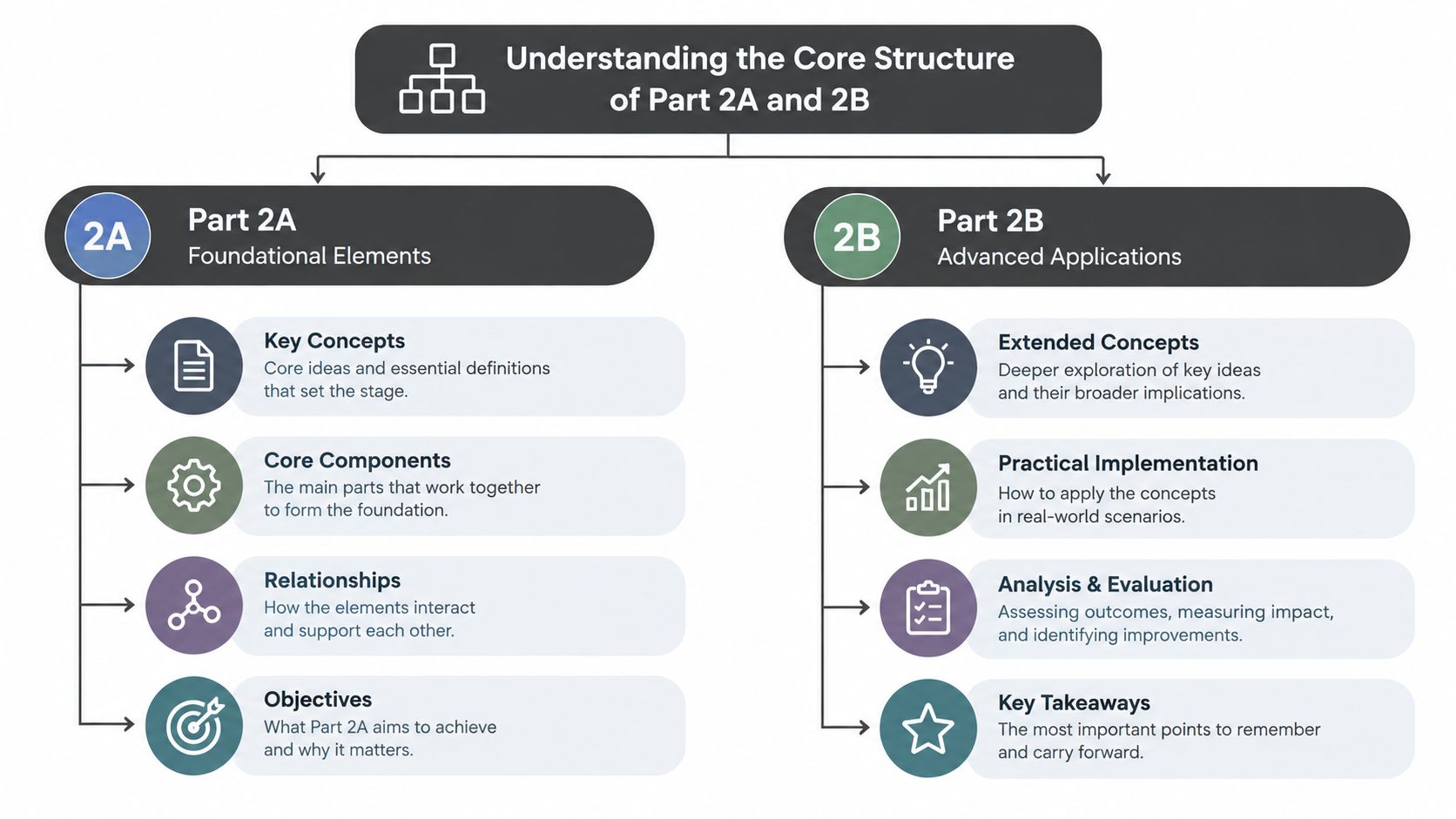
Understanding the Core Structure of Part 2A and 2B
A client alleges that an adviser failed to disclose a fee incentive. The firm produces its brochure, the client's representative produces a supplement, and opposing counsel compares both documents with the engagement agreement and testimony. At that point, Form ADV Part 2 is evidence. A vague or inaccurate disclosure can create an inconsistency that becomes difficult to explain in a regulatory examination, disciplinary hearing, or FINRA arbitration.
Form ADV Part 2 contains two related disclosure documents. Part 2A is the firm brochure. Part 2B is the brochure supplement for individual supervised persons. Each addresses a different level of the advisory relationship, so the firm must keep both documents accurate and consistent.
Part 2A contains 18 disclosure items, as stated in the SEC's Form ADV Part 2 instructions. The required narrative covers the firm's business, services, fees, compensation, conflicts, disciplinary history, and other material facts. The firm must explain how its business operates in plain English, including limitations and incentives that a client may reasonably consider before engaging the adviser.
Part 1 supplies structured registration information about ownership, business activities, clients, and related matters. A client asking, “How could this firm benefit from recommending this product?” may find little answer in a structured registration field. Part 2A should address the compensation arrangement, affiliation, or transaction-specific incentive that gives the question practical significance.
What Part 2A asks the firm to explain
The 18 items organize the brochure around questions clients, examiners, and opposing counsel may ask:
- Advisory business: Who is the firm, and what services does it provide?
- Fees and compensation: What does the client pay, and how do the firm and its personnel receive compensation?
- Performance-based fees: Can compensation create incentives tied to investment performance?
- Types of clients: Which clients does the firm serve?
- Methods of analysis and investment strategies: How does the adviser evaluate investments and manage portfolios?
- Disciplinary information: Are there events material to a client's assessment of the adviser?
- Other financial industry activities: Does the firm or its personnel have related registrations or affiliations?
- Participation or interest in client transactions: Could the adviser benefit from transactions involving clients?
- Code of ethics: What standards govern personnel conduct?
- Brokerage practices: How does the firm select brokers and address execution or research considerations?
- Review of accounts: Who reviews accounts, and when or how often does review occur?
- Client referrals: Does the firm pay or receive compensation for referrals?
- Custody: Does the adviser have custody or access to client assets?
- Investment discretion: What authority does the firm exercise?
- Voting client securities: How does the adviser handle proxy voting?
- Financial information: Could the firm's financial condition affect its ability to meet obligations?
- Requirements for state-registered advisers: What additional state-specific information applies?
- Other information: What other material facts should a client know?
These answers must reflect the firm's actual operations. A generic paragraph may occupy the required space while leaving the client unable to understand the genuine conflict. During a hearing, that gap can allow an opposing party to argue that the firm recognized the disclosure obligation but failed to explain its own conduct.
What Part 2B adds
Part 2B focuses on the individual adviser. It describes the person's background, business activities, disciplinary information, compensation arrangements, and supervision. That detail may become significant in arbitration when the client dealt primarily with one representative, rather than with the firm's senior management.
The SEC's investor bulletin describes Part 2 as a plain-English narrative brochure addressing business practices, fees, conflicts, and disciplinary information, and identifies 18 required disclosure items for Part 2A. Firms should review the brochure and each applicable supplement together. If Part 2A describes one compensation structure while Part 2B suggests another, the firm should resolve the conflict before delivery and preserve the basis for the correction.
For broader compliance considerations, advisers can review Kons Law's guidance on compliance for RIAs.
Delivery and Filing Obligations Explained
A firm can face avoidable problems when it cannot prove which brochure a client received. Filing Part 2A through IARD addresses one obligation. The firm must also deliver the brochure properly and ensure that its disclosures remain accurate and complete. The SEC's Form ADV Part 2 guidance explains these content and delivery responsibilities.
Assign one person or team to control the master document, coordinate compliance review, approve revisions, manage the IARD filing, and preserve delivery evidence. Unrestricted editing creates a basic evidentiary problem: during an SEC inquiry, disciplinary hearing, or FINRA arbitration, the firm may not be able to identify the version that governed the client relationship.
A workable delivery process
Use a written workflow:
- Identify the current version. Record the approval date, filing status, and version authorized for client delivery.
- Review material changes. Compare services, fees, affiliations, personnel, conflicts, disciplinary information, and supervisory descriptions with current operations.
- File electronically. Submit the required Part 2A filing through IARD.
- Deliver the brochure. Provide the current brochure to clients using a permitted method consistent with the firm's delivery policy.
- Send the annual summary. Provide a summary of material changes with a revised brochure or an offer to provide one.
- Retain proof. Preserve acknowledgments, transmission records, delivery dates, and the exact version sent.
The annual summary should identify meaningful changes rather than serve as a routine cover note. A change in fees, affiliations, strategy, or personnel may affect how a client evaluates past advice. Clear records also let counsel test the disclosure against the conduct at issue instead of reconstructing the file from memory.
Amendments should follow the business
The brochure can become inaccurate before the annual update. A new revenue arrangement, revised fee structure, acquisition, change in advisory services, or material conflict should prompt review. The practical test is whether the document still describes the firm's actual operations, not just whether a filing deadline has arrived.
Recordkeeping can determine whether the firm can defend its process later. Kons Law's discussion of record retention requirements explains why delivery and amendment records belong in the compliance system, rather than being rebuilt after an inquiry begins.
A firm should answer three questions quickly: Which version was filed? Which version did this client receive? What changed, and when?
Common Drafting Pitfalls and Misconceptions
A regulatory exam begins with a brochure that describes one business, while the website, contracts, or account records describe another. In a disciplinary hearing or FINRA arbitration, that inconsistency can become evidence. Form ADV Part 2 is not marketing copy placed into a required format. It is a narrative disclosure document, and the firm is responsible for both its statements and material omissions.
Boilerplate fails when it describes hypothetical possibilities instead of actual practices. “The adviser may have conflicts” gives a client little useful information. A workable disclosure identifies the relationship, explains the incentive, and describes how it could affect recommendations or the controls used to address it.
Vague language creates specific problems
A reviewer, claimant, or opposing counsel may ask:
- Does the adviser receive compensation from anyone other than the client?
- Does an affiliate provide brokerage, insurance, lending, or other services?
- Can personnel recommend products connected to additional compensation?
- Does the firm have an incentive to favor one account, strategy, or provider?
- What disciplinary information would matter to a reasonable client?
- Does the website promise services or expertise that the brochure does not describe?
Legal terminology does not make a disclosure adequate. Plain English means a client can understand the arrangement without translating it. If a hearing officer must infer who benefits, how compensation works, or why a recommendation could be affected, the wording is too weak.
Part 2 covers business practices, fees and compensation, conflicts of interest, disciplinary history, and other material facts. These subjects require specific narrative disclosure, not a general statement that conflicts “may arise.”
The safest drafting question is not “Can we defend this wording?” It is “Would a reasonable client understand the real arrangement from this wording?”
Omissions can be as serious as misstatements
Advisers sometimes test only whether each sentence is technically true. That approach misses the risk created by omitted facts. A technically accurate sentence can mislead if it leaves out information that changes the client's understanding.
For example, saying that a firm “may receive compensation” without naming the source, type, or connection to recommendations conceals the practical incentive. Saying that personnel “may engage in other business activities” without describing those activities and related conflicts leaves the client to guess.
Disciplinary history requires the same care. A firm should not omit a difficult event because it is old, embarrassing, or inconsistent with its preferred brand. The relevant question is whether the information bears on a reasonable client's assessment of the adviser's integrity or ability to provide advisory services. In a dispute, attempts to minimize an omission can appear more damaging than the underlying event.
Consistency is a drafting test
Before approval, compare the brochure with the client agreement, fee schedule, website, Form ADV Part 2B, Form CRS where applicable, and personnel disclosures. Ask someone who did not draft the language to explain the business model from those documents. Different answers create an obvious line of attack for regulators, claimants, and counsel.
Document judgment calls as well. If the firm concludes that a potential conflict is not material, preserve the facts considered and the reasoning behind that conclusion. A contemporaneous analysis carries more weight than a justification written after a complaint or examination begins.
Examples of Effective Conflict and Fee Disclosures
A performance-fee disclosure should explain more than the fact that the adviser charges one. It should identify the calculation, performance measure, payer, and circumstances in which the arrangement could influence investment recommendations. Clients need enough information to assess both the cost and the adviser's incentive.
That detail matters when the brochure becomes evidence. If a client alleges that the adviser recommended a more aggressive strategy to increase compensation, a vague warning leaves the adviser relying on the argument that the client should have understood a general statement. A specific disclosure creates a clearer record of the incentive, how it operated, and its possible effect on recommendations before the relationship began.
Disclosure does not excuse unsuitable or improper conduct. It can establish what the client was told and keep a dispute from turning solely on an alleged hidden arrangement.
Compare the language, not just the conclusion
| Weak approach | More useful approach |
|---|---|
| “Fees may vary depending on the services provided.” | Identify the service categories, billing method, and circumstances that cause fees to differ. |
| “The adviser may receive additional compensation.” | Identify who pays it, why it is paid, and whether it creates an incentive connected to recommendations. |
| “The adviser has conflicts of interest.” | Describe the specific conflict and the procedures or limitations used to address it. |
| “The adviser has outside business activities.” | Name the activity, explain its relationship to the advisory practice, and identify the resulting client concern. |
A client should be able to calculate or understand a stated charge from the disclosure. If the amount depends on account value, service level, transaction activity, or another factor, explain that relationship directly. Avoid language that sounds precise but leaves the billing result uncertain.
Detail changes the dispute
The brochure should use plain English and explain business practices, fees, conflicts, and disciplinary information. That standard supports a practical drafting test: write for the client making a decision, not for a reviewer who already understands the industry. Would a reasonable client understand the actual arrangement from this wording?
An adviser affiliated with a broker-dealer, insurance agency, product sponsor, referral source, or vendor should describe the connection in terms a client can apply. If the relationship does not affect recommendations, explain why. If safeguards or limitations exist, identify them without claiming they eliminate the conflict.
In regulatory scrutiny, disciplinary hearings, or FINRA arbitration, these distinctions can shape how decision-makers evaluate the adviser's conduct. A disclosure that names the incentive and its limits is easier to defend than a broad statement that merely acknowledges conflicts.
For related fiduciary analysis, Kons Law's guidance on financial planner fiduciary duty provides additional context on disclosure, incentives, and professional obligations.
Best Practices for Compliance and Ongoing Updates
A brochure can be accurate on filing day and misleading months later. A new service, compensation arrangement, employee role, or website claim can change what clients and regulators reasonably understand. Treat Form ADV Part 2 as an operating document, not an annual form completed in isolation.
Create a change-trigger list and send relevant business decisions to compliance before implementation. The review should cover:
- New services: Compare the proposed service with the advisory-business description and investment strategy disclosures.
- Fee changes: Recalculate the explanation and test it against invoices, agreements, and client communications.
- New affiliations: Identify ownership, referral, compensation, and supervision implications.
- Personnel changes: Review the individual's Part 2B, outside activities, disciplinary information, and supervisory description.
- Marketing changes: Compare website and campaign language with the brochure before publication.
- Operational changes: Confirm that custody, discretion, brokerage, proxy voting, and account-review descriptions remain accurate.
Record each issue in a change log. Include the responsible reviewer, decision, approval date, filing action, and affected client versions. This record shows what the firm disclosed and how it reached that decision. That distinction matters when a regulator questions a disclosure or an opposing party uses the brochure in a disciplinary hearing or FINRA arbitration.
Test the documents against the evidence
Proofreading cannot establish that a brochure is accurate. Test its statements against the firm's actual records:
- Compare invoices with the fee section.
- Compare referral payments with compensation disclosures.
- Compare supervisory policies with the supervision language in Part 2B.
- Compare client onboarding records with delivery logs.
- Compare marketing claims with the services and strategy sections.
- Compare disciplinary records with the relevant disclosure answers.
The SEC's Form ADV and IARD FAQ addresses electronic filing, client delivery, and annual material-change summaries. Assign ownership for each step. A process that assumes “someone” will update the brochure usually fails when responsibilities overlap or no one checks the final version.
Firms may use compliance software, document-management tools, shared approval workflows, and outside counsel. Regulatory compliance guidance from Kons Law can provide additional context for organizing those responsibilities. Kons Law also advises investment advisers, financial professionals, and businesses on regulatory compliance, securities arbitration, commercial disputes, and regulatory matters where disclosure records become evidence.
Working standard: If a regulator asked for the source of every important sentence in the brochure tomorrow, the firm should know where to find it.
Preserve the versions clients received and review the brochure whenever the business changes. If Form ADV Part 2 conflicts with contracts, the website, compensation practices, or personnel disclosures, address the conflict before filing or delivering the next version. Counsel can help assess the records before a complaint or inquiry turns a correctable issue into evidence.
Kons Law advises investment advisers, financial professionals, and businesses on Form ADV disclosure issues, regulatory inquiries, securities arbitration, and related commercial disputes. To discuss a business law matter, contact Kons Law at (860) 920-5181 or visit Kons Law to assess the records and protect the firm's position.
