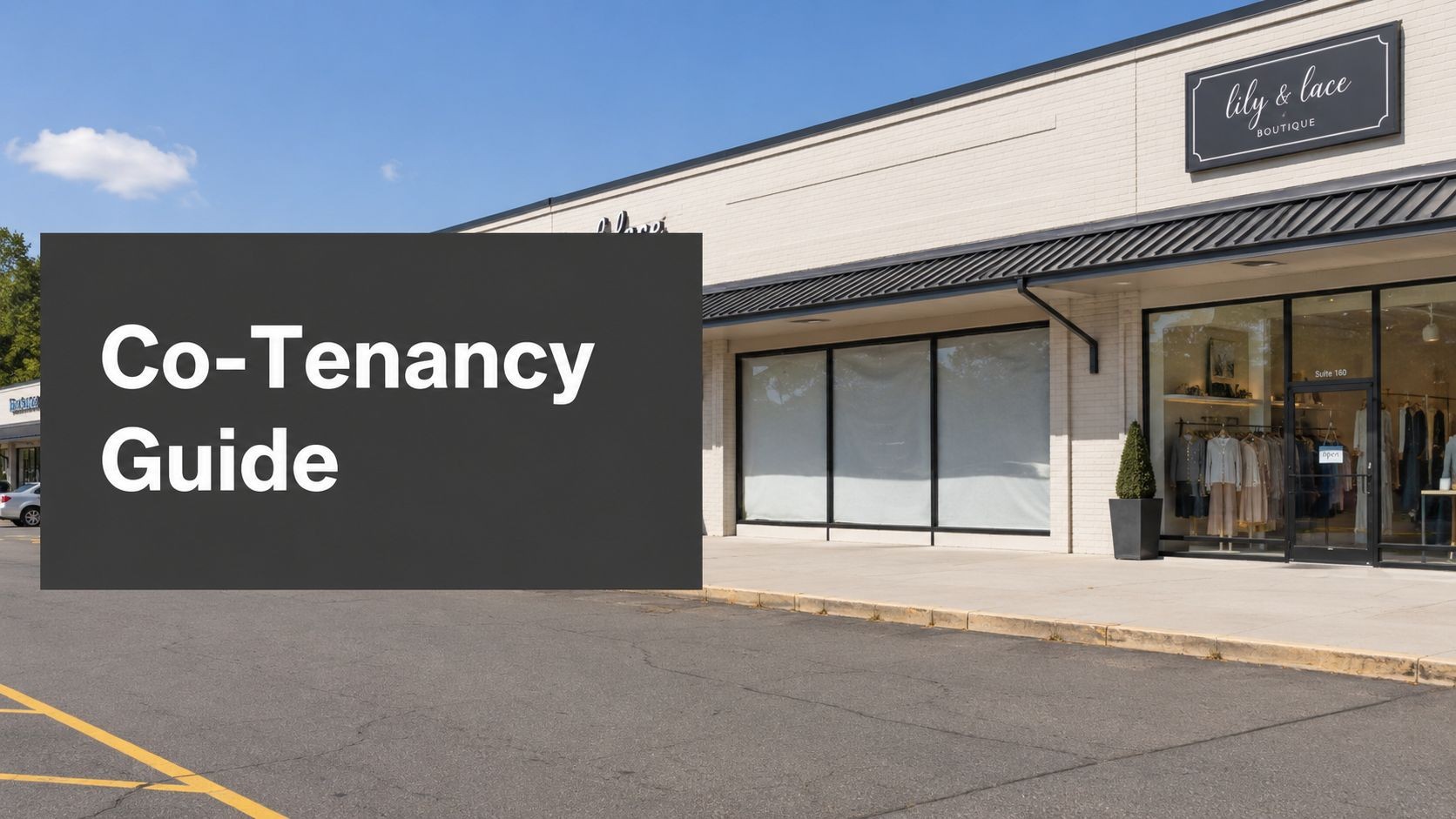
You find the location, negotiate the term, budget the buildout, and line up inventory. The center looks strong because a recognizable anchor tenant pulls traffic and makes the smaller spaces work. Then the hard question shows up late in the deal, often after everyone is already emotionally committed: what happens if that anchor leaves, goes dark, or the center stops looking anything like the one you agreed to join?
That's where co tenancy agreements matter.
For many Connecticut business owners, this isn't a technical lease point. It's the difference between paying full rent in a functioning retail ecosystem and paying full rent in a center that no longer supports the sales assumptions behind the deal. A well-drafted co-tenancy clause gives the tenant a practical safety net when the center loses the traffic drivers that justified the rent in the first place.
Your Lease's Most Important Safety Net
A retail tenant usually doesn't lease four walls in isolation. The tenant is buying into a commercial environment. The anchor grocer, the national discount chain, the pharmacy, the fitness user, and the occupancy level across the property all affect whether your store has a fair chance to perform.
That's why I treat co-tenancy as one of the first business-risk clauses to analyze in a shopping center lease, not one of the last. If you're reviewing a proposed lease, a careful commercial lease review attorney should focus not only on rent and term, but also on whether the landlord is promising a tenant mix that supports your business model.
A common scenario looks like this. A tenant signs because a center appears stable and highly visible. Months later, a named anchor closes, another large space sits vacant, and smaller tenants start operating in a weaker environment. The tenant still owes full rent unless the lease says otherwise.
Practical rule: If your revenue depends on neighboring tenants generating traffic, your lease should say what happens when those neighbors disappear.
Co-tenancy exists because tenants and landlords are pricing different risks. The tenant is willing to pay rent based on expected foot traffic and occupancy. The landlord wants rent certainty even if conditions in the center change. A co-tenancy clause allocates that risk in writing.
Without that clause, the tenant often has only weak arguments and expensive options. With it, the tenant may have reduced rent, an alternative rent formula, delayed opening rights, or even a clean termination right if the center no longer meets the agreed conditions. In practice, that can preserve cash, reduce losses, and strengthen their position before a dispute hardens.
Understanding Co-Tenancy Agreements
A co-tenancy agreement in a retail lease is a conditional business term. It ties the tenant's rent obligations, opening duties, or continuation of the lease to conditions in the shopping center itself. Verified landlord-tenant guidance describes co-tenancy clauses as most common in retail leasing and explains that a typical structure is tied to named anchors or occupancy thresholds such as 70% or 80% of the center being occupied, with remedies that may include reduced rent, an alternative rent formula, or termination rights, as discussed in this retail co-tenancy overview.
Opening co-tenancy
Opening co-tenancy applies before the tenant is required to open and start operating. If the promised anchor tenant isn't open, or if the center hasn't reached the required occupancy condition, the tenant may be able to delay opening or delay full rent obligations.
This matters most for businesses that invest heavily in staff, inventory, and launch costs. Opening into a half-formed center can burn cash fast.
Operating co-tenancy
Operating co-tenancy applies after the tenant opens. If occupancy later falls below the negotiated requirement or the named anchor goes away, the clause may let the tenant switch to reduced rent, move to alternative rent, or terminate after stated conditions are met.
Consider a team built around star players. If the stars are out, the rest of the lineup may still exist, but the performance assumptions change. In retail, the “stars” are often the anchor tenants or the occupancy level that makes the center a destination.
A helpful way to think about this broader real estate concept is to compare it with how investors evaluate shared property economics and dependency risks in other settings. These Breezy Point co-op investment insights are about a different asset class, but they reinforce the same larger lesson: value often depends on surrounding conditions, not just the unit itself.
Why the clause is really about pricing
A lot of tenants hear “protection clause” and stop there. That description is incomplete. Co-tenancy is really a pricing mechanism tied to measurable conditions. If the center performs as promised, the tenant pays the negotiated rent. If the center materially changes, the rent structure can change too.
That's why the clause shouldn't read like a vague aspiration. It needs objective triggers, a clear remedy, and language that matches how the property functions in practice.
Essential Clauses and Negotiation Strategies
The hardest part of co tenancy agreements isn't spotting the issue. It's drafting a clause that still works when the center changes hands, the anchor is replaced, or the landlord starts arguing that a “similar” tenant should count. Many leases fail under these conditions.
Industry commentary explains the basic economic logic well: the clause functions as a risk-transfer device, and replacing a major anchor can take 12 to 18 months or longer in practice, which is why precise drafting matters so much, as noted in this analysis of co-tenancy structure and trigger language.
What tenants should define clearly
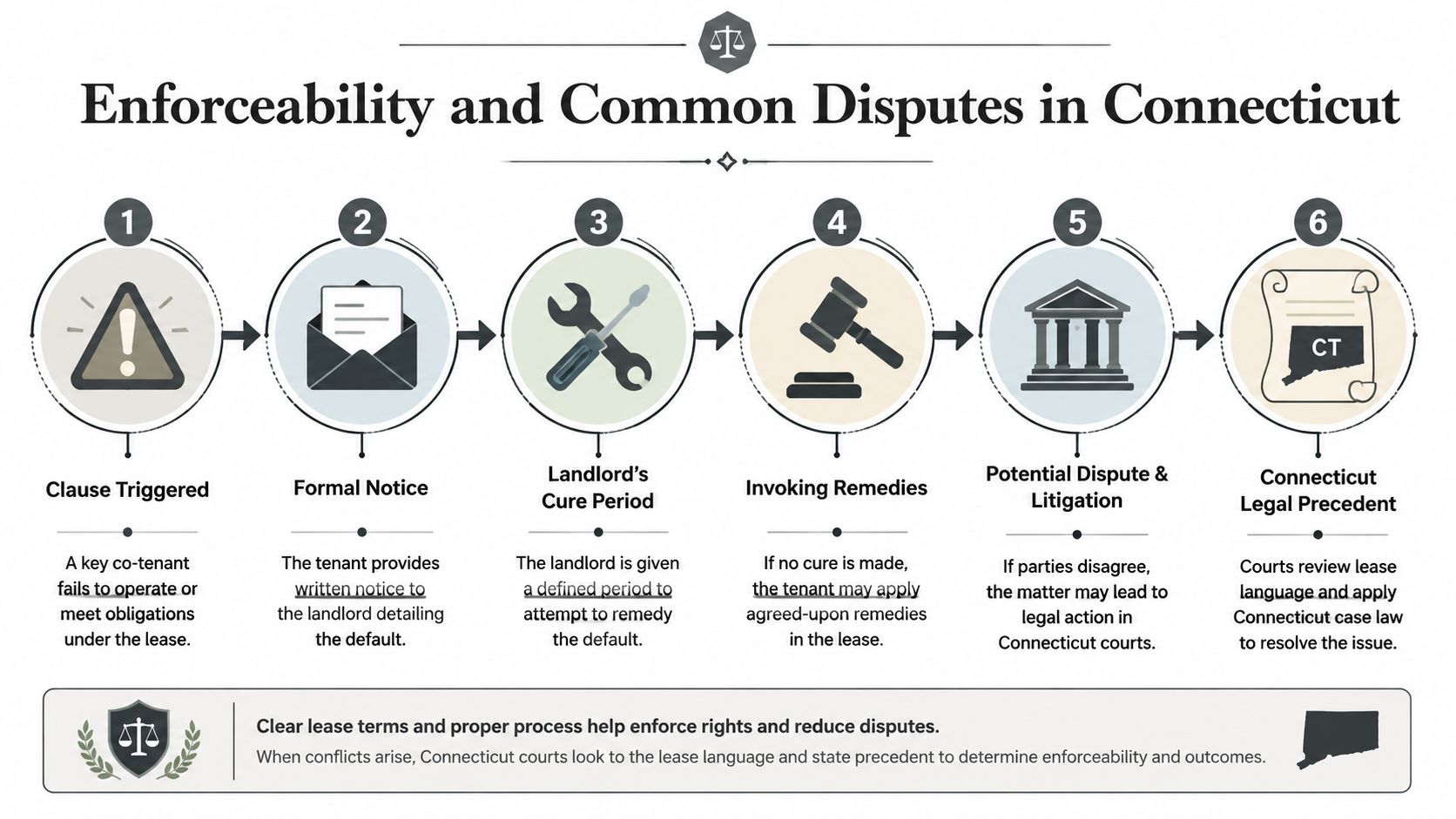
If I represent a tenant, I want several points nailed down before the lease is signed:
Trigger event
Don't accept loose language like “substantially occupied” or “comparable tenant mix.” Use either a named-anchor trigger or a clearly defined occupancy metric.How occupancy is measured
Ask whether the threshold is based on tenant count, gross leasable area, open-and-operating tenants, or signed leases. Those are not the same thing.Replacement tenant standards
A landlord may say it can replace an anchor with a “similar” user. Similar in what sense? Square footage, brand recognition, product category, traffic generation, or sales profile? If the lease doesn't answer that, a fight is coming.Cure period
The landlord will want time to fix the issue. That's reasonable. But the cure period should reflect real market conditions and your business exposure.Remedy structure
The tenant's remedy should be practical. Reduced fixed rent, alternative rent, and termination rights each solve different problems.
For a broader look at lease negotiation power and drafting posture, this guide on how to negotiate a commercial lease gives useful context on how these issues fit into the larger transaction.
What works and what usually doesn't
A short comparison makes the point:
| Lease approach | Why it works or fails |
|---|---|
| Named anchor plus operating requirement | Strong if the anchor truly drives traffic and the lease defines what counts as replacement |
| Percentage occupancy only | Useful, but can hide quality problems if the center fills space with weak substitutes |
| Broad landlord discretion | Usually bad for tenants because the landlord can argue almost any replacement satisfies the clause |
| Alternative rent first, termination later | Often practical because it gives both sides time to solve the problem before the lease ends |
The best clause doesn't just identify a problem. It creates a workable path after the problem occurs.
Anticipating landlord pushback
Landlords often resist co-tenancy language by saying they can't guarantee the future. That objection has some force, but it misses the point. The tenant isn't asking for a guarantee of perfect performance. The tenant is asking that the economics of the lease adjust if the center no longer resembles the deal originally offered.
Another common landlord position is that a general occupancy threshold should be enough. Sometimes it is. But if your business specifically depends on a grocer, pharmacy, or another recognized traffic driver, a percentage-only trigger may leave you exposed in exactly the scenario that matters most.
Enforceability and Common Disputes in Connecticut
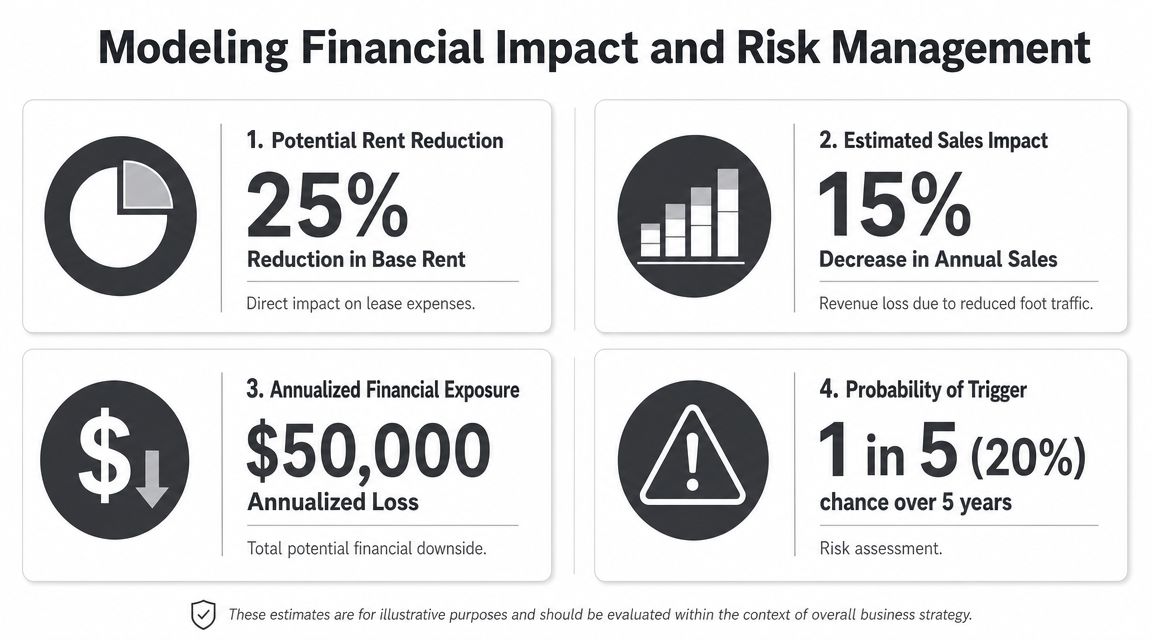
A co-tenancy clause is only as valuable as its enforceability. Most business owners understand the commercial logic immediately. The tougher issue is whether a court will enforce the remedy when the landlord says the clause is punitive, unworkable, or impossible to satisfy.
A major legal development came from the California Supreme Court's decision on December 19, 2024 in JJD-HOV Elk Grove, LLC v. Jo-Ann Stores, LLC. Commentary on that decision explains that the court upheld the validity of a retail lease's co-tenancy clause and alternative rent structure, while also signaling that enforceability can become more difficult if the landlord lacks sufficient control over the required tenant's lease terms, as discussed in this review of the Jo-Ann co-tenancy decision.
Why that decision matters in Connecticut
That case isn't a Connecticut decision, but it's still useful for Connecticut landlords, tenants, lenders, and counsel because it highlights the questions courts tend to care about:
- Was the trigger language objective
- Was the remedy negotiated as part of the rent structure
- Did the landlord control the condition it promised
- Did the lease say what happens if cure is impossible
Connecticut courts, like courts elsewhere, will start with the text. In a dispute over a commercial lease, the words on the page matter more than the assumptions people had during the deal. If the clause is internally inconsistent, relies on undefined market terms, or assumes landlord control that doesn't exist, enforcement gets harder and litigation gets more expensive.
If a co-tenancy dispute turns into a larger contract case, the practical litigation framework in this guide on how to sue for breach of contract helps explain how these conflicts typically escalate.
Where co-tenancy disputes usually start
Most real-world disputes aren't about the concept of co-tenancy. They're about the definitions.
Here are the common pressure points:
Named anchor disputes
The lease names a particular anchor. That anchor leaves. The landlord installs another user and says the condition is cured. The tenant argues the replacement doesn't qualify because it isn't comparable in use, draw, or scale.
Occupancy calculation fights
The landlord measures occupancy one way. The tenant measures it another. One side counts signed leases. The other counts only open and operating tenants. One side counts temporary users. The other says they don't qualify.
Remedy timing
The tenant believes reduced rent starts automatically once the trigger occurs. The landlord argues the tenant had to give formal notice first, wait through a cure period, and satisfy additional conditions.
Control problems in modern centers
This is the issue many standard guides miss. A shopping center may look unified from the parking lot, but ownership can be split among separate entities. An outparcel may be under different control. A former anchor box may be subject to another owner's rights, a reciprocal easement agreement, or a separate financing structure.
In a multi-owner center, don't assume the landlord can replace the tenant it promised. Ask whether it actually controls that space.
Connecticut-specific practical advice
In Connecticut deals, I'd treat co-tenancy as part lease drafting and part due diligence. Don't just ask what the clause says. Ask what the ownership map looks like, who controls the anchor parcel, whether there are reciprocal operating agreements, and whether the landlord can realistically satisfy the cure obligation it's proposing.
That diligence often reveals whether the clause is a real protection or just attractive wording. If the landlord doesn't control the anchor relationship, the lease should address that reality directly. Otherwise, the tenant may spend years arguing over a promise that was commercially impossible from day one.
Modeling the Financial Impact and Managing Risk
Many tenants negotiate co-tenancy as if it's only a legal fallback. That's too narrow. The better way to view it is as a financial planning tool that belongs in underwriting, cash-flow forecasting, and lender discussions from the beginning.
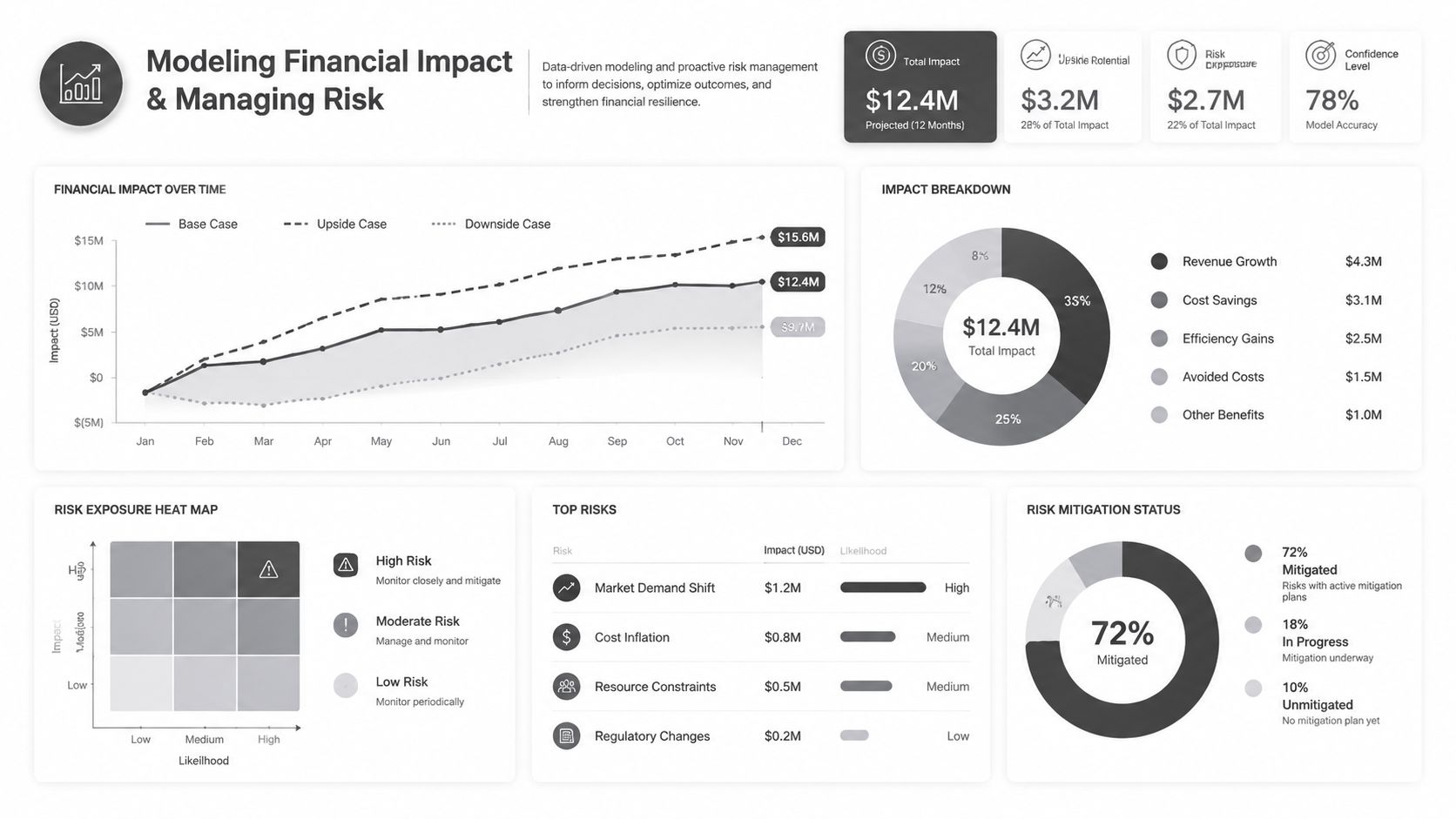
Landlord-focused guidance notes that co-tenancy provisions are a major source of risk in shopping centers and that replacement windows for failed anchors commonly run 12 to 18 months, making co-tenancy an asset-management and credit-risk issue that can affect rent rolls, refinancing, and covenant forecasting, as explained in this portfolio-risk discussion of co-tenancy compliance.
Build a simple model before you sign
You don't need a complicated model to make better decisions. Start with a few grounded questions:
- What happens to occupancy costs if full rent switches to alternative rent
- How long can the business tolerate weaker center performance
- At what point does termination make more sense than staying
- What assumptions are lenders or investors making about rent stability
Legal drafting and operating discipline intersect. If a clause gives reduced rent but the tenant still has high payroll, inventory, and debt service obligations, the remedy may not go far enough. If the clause allows termination only after a long delay, the tenant may remain trapped in a poor location during the most damaging period.
What sophisticated tenants track
I tell clients to model co-tenancy across three separate windows:
Immediate period
What relief applies as soon as the trigger occurs, if any? This affects cash preservation and short-term decision-making.
Cure period
How does the business perform while the landlord tries to fix the problem? Many tenants underestimate this period. It's often the most operationally painful stage because uncertainty hangs over staffing, inventory, and marketing decisions.
Post-cure failure
If the landlord can't cure, what does the tenant do? Continue under alternative rent, renegotiate, or exit?
A useful management habit is to integrate this into routine business planning. Good internal forecasting, like the practices discussed in this piece on managing cash flow for small business, becomes even more important when lease revenue assumptions can shift because of center conditions outside your control.
Business lens: A co-tenancy clause isn't valuable because it exists. It's valuable if the remedy lines up with your actual break-even point.
Don't leave lenders out of the conversation
Co-tenancy risk can affect more than store-level economics. For owners and investors, it can affect asset valuation and financing expectations. For tenants, it can affect internal expansion plans and credit discussions. If the lease depends on continued anchor performance, that dependency should be visible in your financial review process.
The mistake I see most often is treating co-tenancy as a rarely used legal option. The better approach is to assume the clause may matter and ask whether your business can operate through the cure window, through a replacement delay, and through a dispute if the landlord contests your remedy.
Frequently Asked Questions About Co-Tenancy
What if a landlord flatly refuses a co-tenancy clause
That doesn't always kill the deal, but it should change the economics. If the landlord won't give co-tenancy protection, the tenant should consider asking for a shorter initial term, lower fixed rent, stronger early termination rights, or a narrower operating covenant.
A tenant can also ask for a hybrid compromise. Sometimes a landlord won't accept a broad termination right but will agree to delayed opening, temporary rent relief, or a limited kick-out tied to a center condition. The right answer depends on how dependent the business is on surrounding traffic.
Are co-tenancy clauses only for retail tenants
No. They are most common in retail leasing, but the logic can apply anywhere tenant mix matters. A medical user may care whether a key health-system tenant remains in the plaza. An office user in a mixed-use development may care whether promised amenities or major occupants stay operational.
The more your business depends on neighboring users to create demand, visibility, or convenience, the more relevant the co-tenancy concept becomes. Retail is where the issue is most developed and most frequently negotiated.
How is co-tenancy different from force majeure
These clauses address different risks.
A co-tenancy clause deals with commercial conditions in the project itself, such as anchor departure, vacancy levels, or the ongoing operation of specified tenants. A force majeure clause addresses outside events that disrupt performance and are generally beyond the parties' control.
That distinction matters in disputes. If a center loses a key tenant, the question is usually whether the lease allocated that business risk through co-tenancy language. Force majeure generally won't solve that problem unless the lease says so in very specific terms.
Should a tenant always insist on termination rights
Not always. Some tenants care more about rent flexibility than exit rights, especially if they've invested heavily in buildout or location-specific branding. Others need a hard exit if the center loses its commercial logic.
The negotiation should track the business model. A destination retailer may value a stronger termination right. A service-oriented tenant with loyal repeat customers may prefer reduced rent and time to adapt.
Secure Your Commercial Future
A shopping center lease can look stable on signing day and still expose the tenant to major downside later. That's why co tenancy agreements deserve serious attention at the front end of the deal. They protect more than legal rights. They protect the assumptions behind your rent, your staffing plan, your inventory strategy, and your long-term occupancy costs.
The strongest clauses do three things well. They define objective triggers, tie those triggers to workable remedies, and accurately reflect the ownership and control structure of the property. If any one of those pieces is weak, the clause may be far less useful when trouble starts.
For Connecticut businesses, this is a practical drafting issue with real operational consequences. If your location depends on anchor traffic, center occupancy, or a specific tenant mix, your lease should address that risk directly and in plain language.
If you want to discuss your business law matter, contact Kons Law at (860) 920-5181.
